Jump To Top of Page

Georgia Needs Peyton Woodring Back on Target
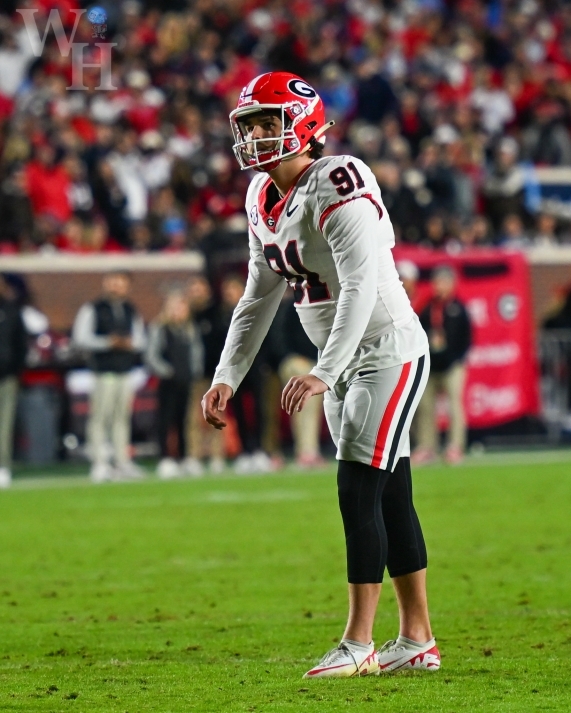
Peyton Woodring’s recent performance raises important questions following four missed field goals out of his 13 attempts this season. Fortunately for the Dawgs, their convincing wins against Florida and Ole Miss have mitigated any immediate consequences from these misses. But it’s crucial to address these issues before they become critical in a tighter game.
Woodring’s extensive track record offers a solid foundation for confidence. As of November 7, he has converted 68 of 80 career field goals, for an impressive 85% success rate. His current 9-for-13 performance in 2026, or 69.2%, doesn’t match the level of accuracy Georgia has come to expect throughout his career.
Kirby Smart’s analysis on Monday highlighted the challenges ahead. Kirby noted that Woodring has been performing well in practice, with the team creating more game-like situations for him to thrive. Smart expressed his unwavering support while emphasizing the need for results: “He’s just got to go out there and make them.”
Recent attempts provide critical context. Woodring missed a 43-yard attempt against Florida on October 31 and a 49-yarder at Ole Miss on November 7. Both situations are unique, and treating these misses as equivalent would overlook the varying pressures each presented.
However, there’s evidence of Woodring’s resilience. During a tough game against Alabama, he missed a 39-yard field goal only to later nail a 23-yarder that clinched a 20-17 victory, illustrating that earlier setbacks can be overcome when the stakes are high.
This sequence reinforces the importance of assessing each opportunity on its own terms. Although it doesn’t guarantee success, the recent misses don’t indicate a complete loss of confidence. Smart’s observations during practice show that improvement is needed, and game performances ultimately dictate what Georgia must enhance.
A thorough review of the kicking operation is necessary, focusing on specific aspects rather than applying a broad judgment to the season. Coaches need to ascertain whether the snap, placement, timing, and strike met expected standards on each attempt. Current reports don’t pinpoint where adjustments may be needed.
Additionally, Woodring’s flawless extra-point record—220-for-220 over his career, with 47 successful attempts this season—serves as a noteworthy complement to his abilities. This impressive consistency warrants recognition but should not be mistaken as assurance that his field-goal challenges will remedy themselves.
The ramifications of kicking performance extend beyond just practice sessions. Field-goal range can significantly influence tactical decisions about whether to go for three points, maintain offensive drives, or forfeit field position. These choices must accurately reflect distance, game situation, and the coaching staff’s confidence in their kicker.
With Missouri visiting on November 14, Smart has solid reasons to trust Woodring’s experience while also demanding better results given his recent struggles. The next crucial task, though straightforward in principle, requires detailed effort: convert field-goal opportunities into points before the situation forces a desperate conversion.
Jump To Today’s Discussion Thread