Jump To Top of Page

Georgia’s Passing Game Needs to Catch Up Before Oxford
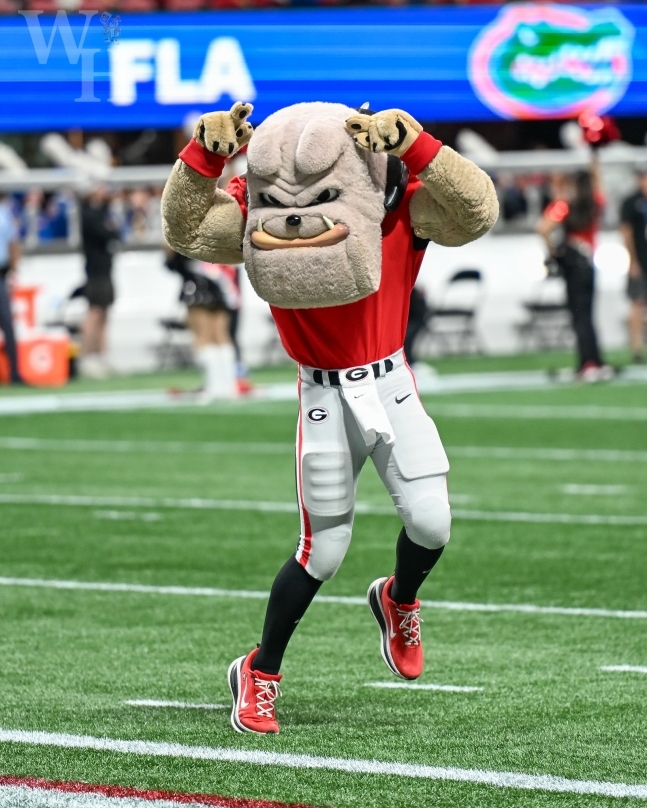
Georgia averaged 4.4 yards per pass attempt against Florida. The Bulldogs won comfortably enough that the number could disappear beneath the satisfaction of another rivalry victory, but it deserves attention before the trip to Ole Miss. Georgia’s defense helped establish a margin its passing game never had to chase.
That context is useful, but it doesn’t excuse the concern. The Bulldogs completed 13 of 23 passes for 101 yards in the October 31 win. Kirby Smart said afterward that the offense “left a lot out there.” A 27-8 result gave Georgia room to leave those opportunities unfinished. The November 7 game in Oxford comes with no such guarantee.
The distinction begins with volume and efficiency. Georgia didn’t need to throw repeatedly while protecting a substantial lead, especially with a running game producing 217 yards on 42 attempts. That helps explain the modest passing total. It does less to explain how little yardage the Bulldogs generated from the passes they attempted.
There were useful completions. Georgia’s official account identifies a 13-yard throw to a tight end during its first touchdown possession and a 17-yard tight-end reception on its next touchdown drive. Those plays helped the offense finish possessions. The question is whether Georgia can produce that kind of help often enough when the running game needs it.
One afternoon cannot establish a lasting problem, and the box score cannot identify every cause. An incomplete pass might involve pressure, a missed throw, a route that failed to create space or a sound defensive play. Assigning the entire performance to the quarterback makes the explanation simpler without making it more accurate.
The coaching task is to separate those possibilities. Smart’s assessment establishes that Georgia saw opportunities for more production. Determining which opportunities were available, and why they went unused, matters more than demanding a larger passing number against the next opponent.
That review should connect the quarterback’s decisions with the receivers’ assignments. A receiver must reach the expected space when the throw is available. The quarterback must recognize that window and deliver a catchable ball. Protection has to provide the time the play requires. Improvement in one area can be wasted if another part arrives late or not at all.
For younger receivers, development also includes what happens after the catch. A short completion can become a useful gain through positioning, a timely block or a decisive turn upfield. Those are areas to examine in Georgia’s review, rather than explanations you can assume from Saturday’s totals.
The Bulldogs also deserve credit for throwing no interceptions against Florida. More ambitious passing cannot come at the expense of reasonable decisions. The objective is to collect the yardage a play offers while preserving the ball when the defense takes that opportunity away.
Georgia does not need to prove it can win a passing contest for its own sake. It needs to show its passing game can sustain possessions when defensive takeaways and productive rushing aren’t doing most of the work. In Oxford, the measure will be whether available throws become dependable gains before the scoreboard makes them urgent.
Jump To Today’s Discussion Thread